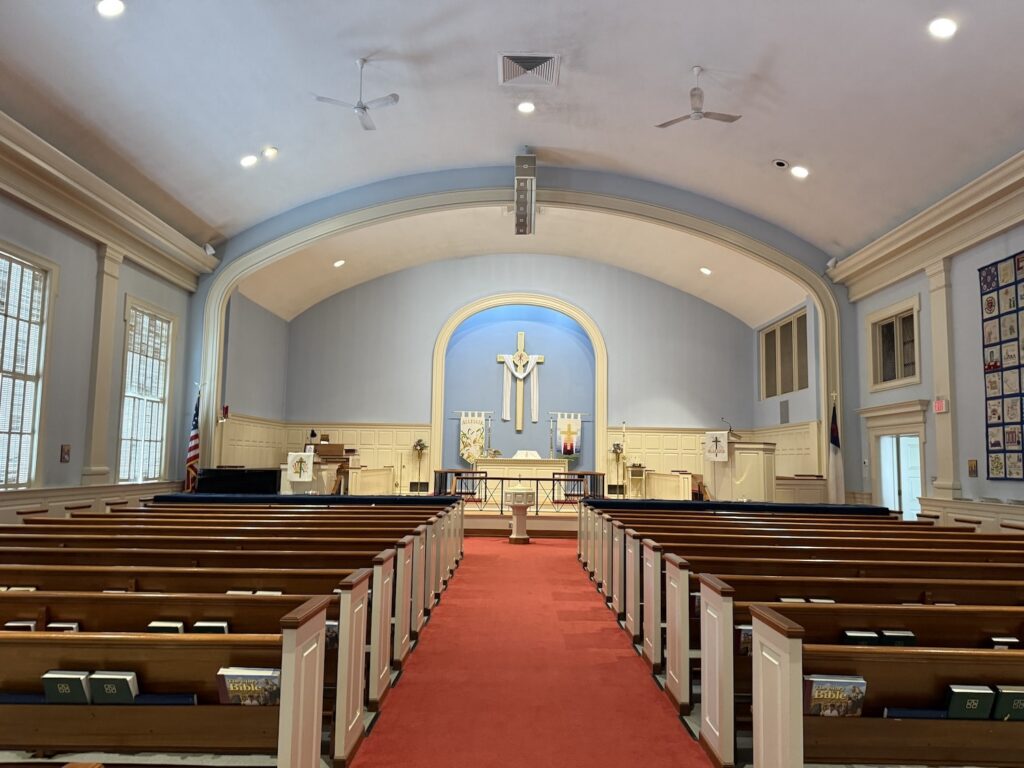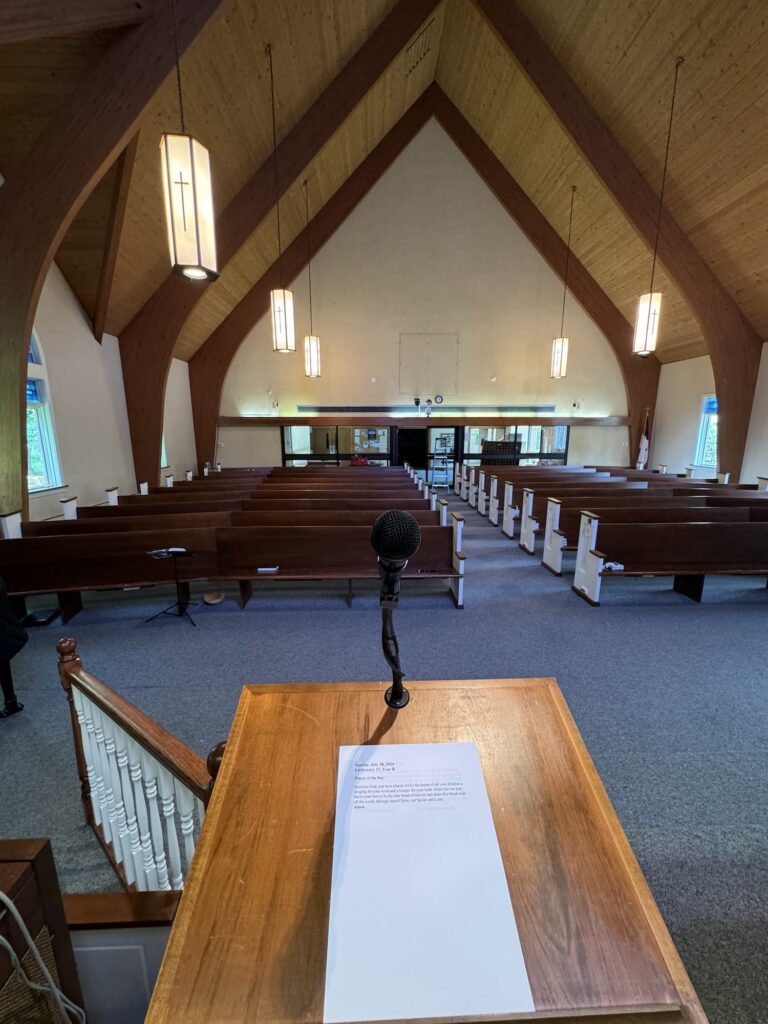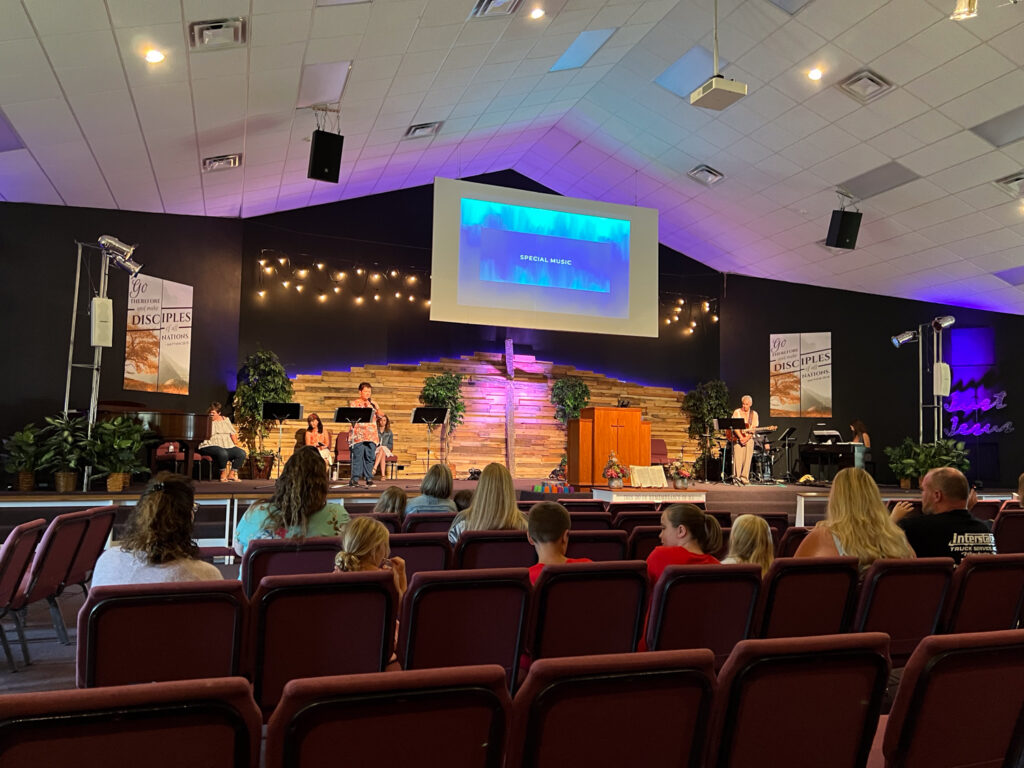

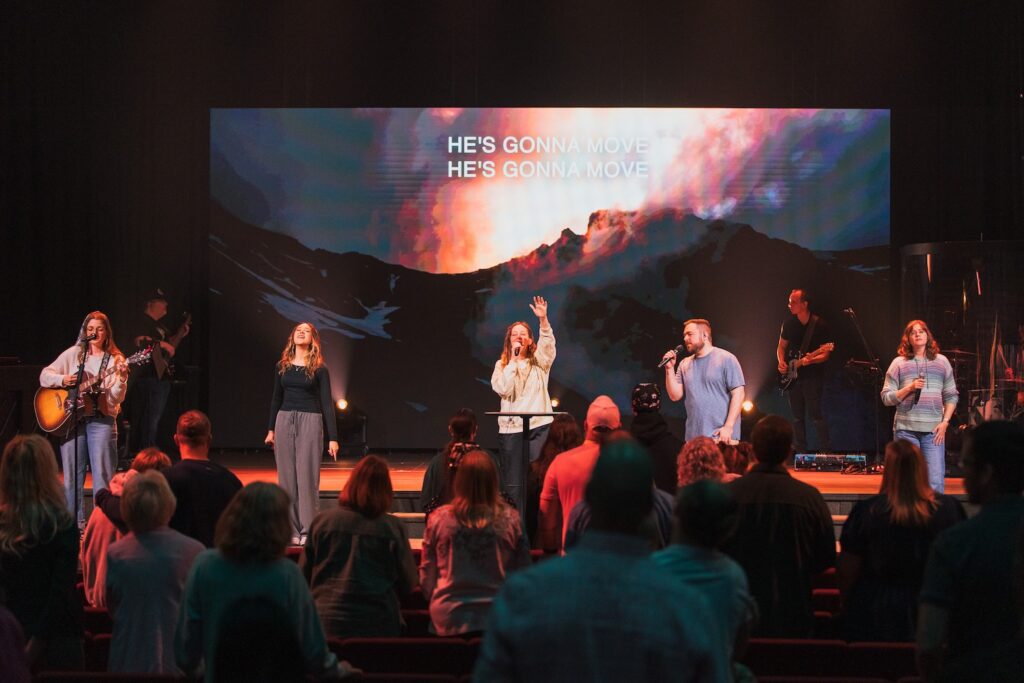
Church audio visual solutions play a central role in how modern churches communicate, lead worship, teach Scripture, support volunteers, and reach people beyond the walls of the building. A well-planned system helps every person in the room hear clearly, see important content, follow the flow of service, and engage with worship without distraction. For many churches, technology is no longer limited to a soundboard and a projector. It now includes audio systems, video displays, livestream tools, lighting control, presentation software, networked equipment, volunteer workflows, and long-term planning.
Churches often face a unique combination of needs. The system must support spoken word, live worship music, announcements, baptisms, special events, funerals, weddings, youth services, children’s environments, and online broadcasts. It also needs to be reliable enough for weekly use and simple enough for volunteers to operate with confidence. When audio, video, lighting, and livestream technology are planned separately, churches can end up with systems that technically work but do not work well together.
Audiobahn Professional helps churches evaluate, design, install, and upgrade worship audio visual systems with a practical understanding of ministry environments. From church sound systems and livestream upgrades to lighting design and church technology consulting, the goal is to create integrated systems that serve the church’s mission, facility, volunteers, and congregation.
Table of Contents
- Church AV Solutions at a Glance
- Understanding AV Requirements for Churches
- Audio Systems for Churches
- Video Systems for Churches
- Church Livestream Systems
- Lighting Solutions for Worship Spaces
- Church AV Solutions by Space Type
- The Importance of Church Technology Consulting
- Common Technology Challenges Churches Face
- Planning for Future Ministry Technology Needs
- What Churches Should Look for in an AV Integration Partner
- Why Professional Integration Matters
- Discuss Your Church AV Project
- Frequently Asked Questions
Church AV Solutions at a Glance
Every church has different ministry goals, room conditions, team capabilities, and budget priorities. Church AV systems should be designed around those realities rather than treated as one-size-fits-all packages. Common worship technology solutions include:
- Church Sound Systems
- Worship Audio Systems
- Church Livestream Systems
- Video Projection & Displays
- LED Walls
- Worship Lighting Systems
- Volunteer-Friendly Controls
- Church Technology Consulting
These systems may include microphones, loudspeakers, mixers, processors, cameras, switchers, projectors, displays, lighting fixtures, control systems, and network infrastructure. Organizations such as AVIXA provide professional resources for the broader AV industry, but churches need those best practices applied in a way that fits worship, ministry programming, and volunteer operation.
Understanding AV Requirements for Churches
Before selecting equipment, churches need to define what the system must accomplish. A traditional sanctuary, modern worship center, portable church, multipurpose gym, youth room, and chapel all require different design decisions. The best church audio visual solutions start with questions about worship experience, teaching clarity, music style, congregational participation, online ministry, and the people who will run the system every week.
Congregational engagement is one of the most important design considerations. People should be able to hear the pastor clearly, follow song lyrics, view sermon slides, participate in worship, and remain focused on the service. For multi-generational congregations, systems must account for different comfort levels with volume, visual brightness, accessibility, and room aesthetics.
Volunteer operation is another major factor. Many churches rely on committed volunteers rather than full-time production staff. That means systems should be powerful enough to support ministry needs but not so complex that only one person can operate them. Good church AV integration considers startup procedures, labeled controls, presets, training, documentation, and troubleshooting workflows.
Future growth should also be part of the conversation. A church may not need multiple cameras, distributed video, additional rooms, or campus-wide digital signage today, but conduit, cabling, networking, equipment racks, and control infrastructure should be planned with expansion in mind.
Audio Systems for Churches
Audio is usually the most important part of a worship environment because it directly affects teaching clarity and congregational participation. A church sound system must support spoken word, worship music, videos, baptisms, panel discussions, special services, and sometimes theatrical or seasonal productions. When audio is unclear, too loud, uneven, or difficult to control, it affects the entire worship experience.
Speech intelligibility should be a primary design goal. The pastor’s voice needs to be clear in every seating area, not just near the front of the room. This involves appropriate microphone selection, loudspeaker placement, room tuning, gain structure, and digital signal processing. Wireless microphones, headset microphones, handheld microphones, and lavalier systems should be selected based on usage, reliability, frequency coordination, and ease of operation. Manufacturers such as Shure provide educational resources on microphones and wireless audio that can help churches understand the technical side of reliable sound.
Worship music reinforcement requires a different layer of planning. Drums, guitars, keys, vocals, tracks, choir mics, and playback sources all need to be managed in a way that supports musical energy without overpowering the room. Stage monitoring may include floor wedges, in-ear monitors, personal mixers, or hybrid solutions depending on the worship team’s needs.
Loudspeaker design and acoustics matter just as much as the equipment list. A powerful sound system in a highly reflective room can still produce poor results. Acoustic conditions, ceiling height, seating layout, balcony coverage, wall materials, and room shape all affect system performance. Through Audio Systems Integration, Audiobahn Professional helps churches evaluate these factors and design church audio systems that are clear, reliable, and appropriate for the room.
Video Systems for Churches
Church video systems help communicate information clearly, support worship participation, and create a better experience for people in larger rooms. Video may include projection systems, flat panel displays, LED walls, confidence monitors, image magnification, sermon slides, lyric presentation, lobby displays, overflow rooms, and digital signage.
Projection remains a practical solution for many worship spaces, especially when ambient light can be controlled. However, projector brightness, screen size, throw distance, viewing angles, and maintenance must be evaluated carefully. LED walls can provide high brightness, strong contrast, and modern visual impact, but they require proper structural planning, pixel pitch selection, service access, processing, and budget evaluation.
Confidence monitors help pastors, worship leaders, and speakers see lyrics, notes, timers, and presentation content without turning away from the congregation. IMAG systems, or image magnification systems, allow larger worship centers to show close-up camera views of speakers and worship leaders so people seated farther away can stay visually engaged.
Video switching and presentation workflows should be built around the church’s team. A volunteer-friendly system may include clearly labeled sources, simple routing, presets, and documented procedures. For churches that need projection, livestreaming, and room displays to work together, Video & Livestream Systems Integration can help align the full video signal path from source to screen to stream.
Church Livestream Systems
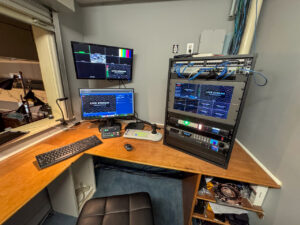 Church livestream systems have become a core part of ministry for many congregations. Livestreaming supports people who are traveling, homebound, exploring the church for the first time, serving in other areas of the building, or participating remotely. A livestream should not feel like an afterthought. It should be planned as a complete worship technology system with video, audio, lighting, control, and reliability considered together.
Camera selection depends on room size, volunteer skill, desired production quality, and budget. Some churches need fixed cameras with simple presets, while others benefit from PTZ cameras, staffed cameras, or a hybrid camera system. Camera placement should consider sightlines, stage angles, lighting, cable paths, and how the shot will look online.
Audio for livestream is often one of the most overlooked issues. A mix that sounds good in the room does not automatically sound good online. Church livestream systems may require a dedicated broadcast mix, ambient microphones, matrix routing, processing, or a separate audio workflow to create a natural online experience.
Reliability is critical. Streaming hardware, encoders, network connections, backup procedures, and platform settings must be configured with Sunday morning realities in mind. Resources from professional AV organizations such as NSCA can help churches understand the value of trained integration partners and long-term technology planning.
Lighting Solutions for Worship Spaces
Church lighting design affects both the in-room worship experience and the quality of video capture. Good lighting helps people see the pastor, worship team, choir, baptisms, and stage activity clearly. Poor lighting can make a room feel flat, create shadows on faces, or cause livestream cameras to struggle.
Front lighting is essential for teaching and worship leadership. It should provide even coverage across speaking and singing positions without creating harsh shadows or uncomfortable glare. Stage lighting can add depth, visual focus, and flexibility for different service moments. Architectural lighting and house lighting help shape the feel of the room before, during, and after service.
LED fixtures are common because they are energy efficient, flexible, and often easier to control than older lighting systems. However, fixture selection, beam angle, dimming behavior, color quality, control protocol, and placement all matter. Lighting control systems should be designed so trained volunteers can manage normal services while still allowing deeper programming for special events.
Audiobahn Professional provides Lighting Design & Installation for churches that need practical, effective worship lighting systems that support both the congregation and the camera.
Church AV Solutions by Space Type
Worship Centers
Worship centers typically require the most complete church AV systems. These rooms often need full-range audio, stage monitoring, projection or LED displays, livestream cameras, lighting control, presentation systems, and reliable infrastructure. The design should support weekly worship, teaching, special events, and future expansion.
Youth Rooms
Youth rooms often need flexible systems that can support worship, teaching, games, small groups, and events. Durability and ease of use matter because the room may be used by multiple leaders throughout the week. Audio, video, and lighting should create energy without requiring a full production team.
Children’s Ministry Areas
Children’s ministry spaces usually need clear speech reinforcement, simple media playback, secure control, and age-appropriate video displays. Systems should be easy for staff and volunteers to operate while supporting check-in areas, teaching rooms, large group environments, and special programming.
Fellowship Halls
Fellowship halls often serve meals, meetings, classes, banquets, church-wide gatherings, and overflow events. These spaces benefit from distributed audio, wireless microphones, display systems, and simple input options for laptops or media players. Flexibility is often more important than production complexity.
Multi-Purpose Rooms
Multi-purpose rooms may function as gyms, meeting rooms, worship venues, community spaces, and event areas. AV planning should account for room reconfiguration, durable equipment, multiple seating layouts, and simple control. Scalable infrastructure is especially valuable in these environments.
Chapel Spaces
Chapel spaces often require a more subtle technology approach. Speech clarity, discreet speakers, minimal visual distraction, and architectural sensitivity may be more important than large-scale production. The goal is to support worship without changing the character of the room.
The Importance of Church Technology Consulting
Church technology consulting helps ministry leaders make informed decisions before money is spent on equipment. A needs assessment can identify what is working, what is failing, what can be reused, and what should be replaced. This is especially valuable for churches considering phased upgrades, capital projects, renovations, or new construction.
Budget planning is a major part of the process. Churches often need to prioritize the most urgent needs first while creating a roadmap for future improvements. Consulting can help avoid mismatched equipment, underpowered systems, poor cabling decisions, and purchases that do not support long-term goals.
Volunteer considerations should also guide the design. A technically impressive system is not successful if the church cannot operate it consistently. Audiobahn Professional provides AV Consulting Services to help churches evaluate current systems, plan upgrades, define budgets, and make technology decisions that fit their ministry context.
Common Technology Challenges Churches Face
Aging Equipment
Older mixers, projectors, amplifiers, wireless microphones, cabling, and lighting systems can become unreliable or difficult to support. A practical solution is to document the current system, identify failure points, and plan upgrades in phases based on risk and ministry impact.
Volunteer Training
Many AV problems are workflow problems, not just equipment problems. Churches need systems that volunteers can understand and repeat. Training, labeling, documentation, presets, and simplified controls can reduce stress and improve consistency.
Poor Acoustics
Rooms with hard surfaces, high ceilings, and reflective materials can make speech difficult to understand. Better loudspeaker placement, system tuning, acoustic treatment, and microphone technique can dramatically improve the result.
Livestream Quality Issues
Common livestream problems include dark video, poor camera angles, inconsistent audio, weak internet connections, and unreliable streaming hardware. A complete evaluation should include cameras, lighting, broadcast audio, encoding, network infrastructure, and volunteer workflow.
Budget Constraints
Churches rarely have unlimited budgets. The right approach is to separate essential needs from future enhancements, prioritize infrastructure, and avoid buying equipment that will need to be replaced too soon. A phased roadmap can help leaders make wise decisions.
Multiple Worship Environments
Churches with worship centers, youth rooms, chapels, and fellowship halls need consistency without overcomplicating each room. Shared standards for control, cabling, training, and equipment can make support easier across the facility.
Planning for Future Ministry Technology Needs
Church technology should be planned with the next several years in mind. Online ministry, hybrid worship, campus expansion, portable environments, additional classrooms, and new service formats can all create future AV requirements. Even when a church starts with a smaller project, it is wise to consider cabling, network capacity, rack space, power, conduit, control systems, and equipment compatibility.
Technology lifecycle planning is also important. Projectors, wireless systems, computers, cameras, lighting fixtures, and control equipment all have expected service lives. Planning for replacement cycles helps churches avoid emergency purchases and allows leadership to budget with clarity.
Scalable infrastructure often provides the best long-term value. A church may begin with a simple livestream, then add additional cameras, lobby displays, overflow video, or distributed audio later. Good planning allows those improvements to happen without rebuilding the entire system.
What Churches Should Look for in an AV Integration Partner
A church AV integration partner should understand both technology and ministry. The right partner will ask about worship style, volunteers, facility use, teaching needs, online ministry, budget, and long-term goals before recommending equipment. Church experience matters because worship environments have different demands than boardrooms, restaurants, classrooms, or performance venues.
Training and documentation should be part of the project. Churches need to know how to use the system after installation, how to troubleshoot common issues, and how to train future volunteers. Support and long-term relationship also matter because ministry needs change over time.
Control system design is another area where professional planning can help. Companies such as Extron provide AV control and signal management technologies commonly used in professional environments, but the system still needs to be designed around real users and real ministry workflows.
Why Professional Integration Matters
Professional church AV integration is about more than installing equipment. It is about making sure the entire system works together reliably. Audio, video, livestreaming, lighting, networking, control, power, and cabling all affect each other. When these pieces are designed as one system, churches experience fewer technical issues, better volunteer adoption, and more consistent services.
Reliability is especially important because churches often have one opportunity each week to serve the congregation and reach guests. A professionally integrated system reduces avoidable problems and helps teams focus on ministry instead of troubleshooting. Ease of use also improves long-term return on investment because equipment is more likely to be used correctly and consistently.
The best worship technology solutions support the message rather than distracting from it. Clear audio, readable visuals, appropriate lighting, and stable livestreaming all help create an environment where people can engage with worship and teaching.
Discuss Your Church AV Project
Whether your church is planning a new worship center, upgrading an aging sound system, improving livestream quality, adding lighting, or creating a long-term technology roadmap, Audiobahn Professional can help evaluate the next right step. You can review examples of completed work on the Projects page or reach out through the Contact page to start a consultation-focused conversation about your church AV project.
Frequently Asked Questions
A church should begin by identifying the main problem. Common issues include poor speech clarity, uneven coverage, feedback, outdated equipment, inadequate monitoring, or a room that creates excessive reflections. The best solution may include new loudspeakers, better microphone systems, digital signal processing, acoustic treatment, system tuning, or volunteer training.
Cost depends on room size, system complexity, equipment quality, infrastructure needs, installation labor, and whether the project includes audio, video, livestreaming, lighting, or all of the above. A small room upgrade may be relatively modest, while a full worship center system can require a significant investment. A needs assessment and budget roadmap help churches prioritize wisely.
Many churches benefit from a dedicated livestream workflow, especially if online ministry is a long-term priority. A good livestream system may include cameras, video switching, encoding, broadcast audio, lighting adjustments, and network planning. The level of complexity should match the church’s goals and volunteer capacity.
LED walls are not automatically better, but they can be a strong option in rooms with high ambient light, large stages, or a desire for bright, high-contrast visuals. Projection can still be effective and cost-efficient in many spaces. The right choice depends on room conditions, viewing distance, content type, budget, and maintenance expectations.
Yes, if the system is designed with volunteers in mind. Volunteer-friendly systems use clear signal flow, labeled controls, presets, training materials, and repeatable procedures. A system should be powerful enough to support ministry needs without being unnecessarily complicated.
Both approaches can work. A full upgrade may be best when systems are deeply connected or when a room is being renovated. Phased upgrades can be better when budget is limited or when the church wants to address the most urgent needs first. The key is to create a roadmap so each phase supports the next one.
Poor livestream audio often happens when the online mix is only a copy of the room mix. The room mix is influenced by stage volume, acoustic energy, and loudspeakers, while online listeners only hear what is sent to the stream. A dedicated broadcast mix, ambient microphones, processing, and proper routing can improve livestream quality.
A church should bring in an AV consultant before making major equipment purchases, beginning a renovation, launching a livestream, building a new room, or replacing aging systems. Early consulting helps prevent costly mistakes, clarify budgets, identify infrastructure needs, and create a plan that supports long-term ministry growth.